
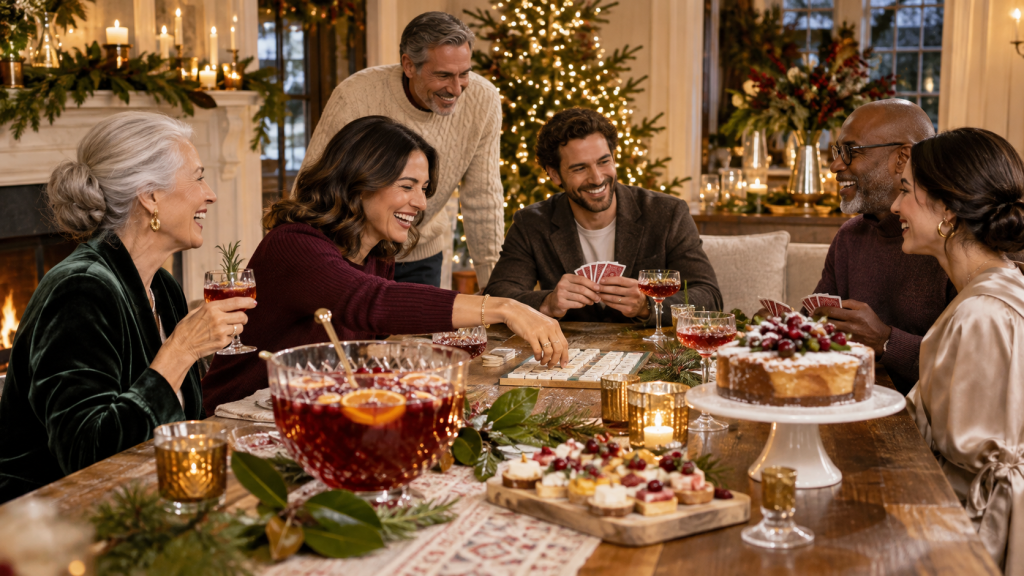
The temperatures are dropping, the days are getting shorter, and suddenly staying indoors sounds a little too appealing. But who says the colder months have to be dull? As autumn gives way to winter, shorter days and colder temperatures can bring more than a change in wardrobe. For some, the seasonal shift comes with lower energy, reduced motivation, and an overwhelming desire to retreat indoors. While occasional winter blues are common, more persistent symptoms may indicate seasonal affective disorder (SAD), a form of depression associated with recurring seasonal changes.
According to the National Institute of Mental Health, reduced daylight can affect the body’s circadian rhythm and mood-related processes involving serotonin and melatonin. Nutritional factors, including vitamin D deficiency, may also contribute, although research on vitamin D supplementation as a treatment remains mixed. But beyond the biological changes, there’s another aspect of seasonal wellness worth exploring: how intentionally we spend our time.
When outdoor adventures become less appealing and social calendars begin to shrink, it’s easy to slip into a cycle of work, home, sleep, and repeat. While rest is essential, prolonged social isolation and a lack of enjoyable activities can make an already gloomy season feel even less inviting. The good news? Enjoying life doesn’t always require an elaborate vacation, an expensive outing, or a reservation at the trendiest restaurant. Sometimes, a thoughtfully planned evening with good company, delicious food, and a little friendly competition is enough to make an ordinary winter weekend feel special.
Research from the Centers for Disease Control and Prevention associates supportive social relationships with improved mental health, stress management, and overall well-being. So, whether you’re planning Thanksgiving dinner, a Christmas gathering, a New Year’s celebration, or simply an excuse to bring your favorite people together, here are three ways to make your next holiday event a little more memorable.
1. Give Them Something to Sip About: Create a Signature Holiday Punch
 Every memorable gathering deserves a signature drink, and no, it doesn’t have to come with a bartender or a luxury price tag.
A themed holiday punch is a simple way to add personality to your celebration while giving guests something to enjoy from the moment they arrive. Think cranberry-orange spritzers with fresh rosemary, sparkling apple cider with cinnamon sticks, or a tropical ginger-pineapple punch for a little Caribbean-inspired warmth.
Presentation is half the fun. A beautiful glass pitcher, seasonal fruit garnishes, decorative ice cubes, and matching glasses can make even the simplest recipe feel like a specialty cocktail. For adult-only festivities, a splash of rum, prosecco, or your preferred spirit can create a festive variation. Craft Cocktails Rum would be a beautiful twist to this spiked holiday punch. Alternatively, keep the punch alcohol-free so everyone, including younger guests and those pursuing a sober or wellness-focused lifestyle, can participate. Offer spirits separately so guests can customize their drinks without excluding anyone.
And if your New Year’s resolutions include reducing sugar or alcohol consumption, experiment with unsweetened sparkling water, fresh citrus, herbs, and naturally flavored ingredients.
The Finessed touch: Give your signature drink a playful name and serve it as the evening’s welcome beverage. A small detail can turn an ordinary refreshment into part of the celebration.
2. Bring Something New to the Table: Introduce a Holiday Specialty

Holiday meals are often built around tradition, and understandably so. There’s something comforting about the familiar dishes that make their annual appearance at family gatherings. But that doesn’t mean the menu can’t welcome a little experimentation. Instead of reinventing an entire dinner, introduce one specialty appetizer, dessert, or side dish that guests haven’t tried before. A baked brie topped with cranberry preserves, miniature sweet potato cheesecakes, savory pastry bites, or an unexpected twist on a family recipe can become the evening’s conversation starter.
For those who enjoy DIY projects, preparing a new dish can also be a creative outlet. Experimenting with flavors, presentation, and cooking techniques offers an opportunity to engage your senses and enjoy an activity outside your usual routines. There’s a psychological benefit to the experience, too. Making room for enjoyable, personally meaningful activities aligns with principles used in behavioral activation, a therapeutic approach that encourages engagement in rewarding activities to help address patterns of withdrawal and low mood. A new recipe isn’t a treatment for depression, but the anticipation and satisfaction of creating something can make the season more engaging.
Hosting guests with different nutritional preferences? Consider offering a lighter variation alongside the indulgent favorite. A fruit-forward dessert, vegetable-based appetizer, or reduced-sugar option can complement traditional holiday treats without turning dinner into a dietary debate. And for those looking forward to a well-deserved indulgence, enjoy the dessert! A balanced lifestyle doesn’t require labeling every celebratory meal a “cheat day.” There’s room for both nourishment and pleasure.
The Finessed touch: Make your specialty dish an annual tradition. Guests may begin looking forward to discovering what new creation will appear on the menu each holiday season.
3. Let the Games Begin: Bring Everyone Together for Some Friendly Competition


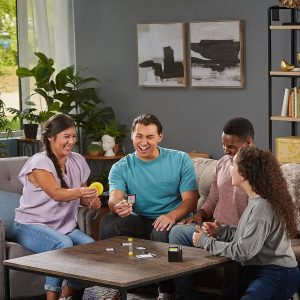
Once everyone has enjoyed their refreshments and dinner, it’s time to give the gathering a little energy. Rather than allowing the evening to dissolve into separate conversations and endless phone scrolling, introduce a group activity that encourages everyone to participate. Classic games like Taboo, charades, Pictionary, or holiday-themed trivia offer plenty of opportunities for laughter, playful competition, and unexpected teamwork. For mixed-age gatherings, choose games with simple instructions and adaptable rules so younger guests and older relatives can join the fun.
A holiday version of Would You Rather? can be equally entertaining, especially when the questions involve family traditions, funny memories, and imaginary holiday dilemmas. Beyond entertainment, group activities can help create opportunities for connection. Shared laughter, cooperation, and positive social interactions contribute to the sense of belonging that makes relationships meaningful. These connections are especially valuable during a season when loneliness and withdrawal can become more noticeable. The best part? A great game night doesn’t require purchasing an elaborate collection of board games. A homemade trivia sheet, a bowl of handwritten prompts, or a simple deck of cards can keep everyone engaged for hours.
The Finessed touch: Introduce a small prize for the winning team. A holiday candle, homemade treat, or funny traveling trophy can turn a spontaneous competition into an annual tradition.
Making the Most of the Season, One Gathering at a Time
The colder months may encourage us to slow down, but slowing down doesn’t have to mean disconnecting from the experiences and people that bring us joy. Being intentional about how we spend our time is an important part of personal wellness. Whether that means planning a holiday gathering, experimenting with a new recipe, or making room for an evening of laughter, meaningful experiences can help bring variety and connection to an otherwise repetitive routine. While a festive punch, delicious dessert, or competitive round of Taboo won’t cure seasonal depression, these little moments can make everyday life feel more enjoyable.
There’s no need to overextend your budget, exhaust yourself preparing a picture-perfect event, or wait for a special occasion to celebrate the people around you. A few thoughtful touches can transform even a modest gathering into something worth remembering. Because sometimes, the greatest luxury isn’t the celebration itself. It’s being present enough to enjoy it.
A Little Wellness Reminder
Seasonal affective disorder is a recognized form of depression, not simply a lack of motivation or an unwillingness to enjoy life. While maintaining social connections, participating in enjoyable activities, and supporting healthy routines may help with mild seasonal mood changes, persistent symptoms deserve professional attention. If low mood, fatigue, or social withdrawal lasts two weeks or longer or interferes with daily functioning, consider speaking with a qualified healthcare professional. (National Institute of Mental Health)
Works Cited
Centers for Disease Control and Prevention. “Social Connection.” CDC, 15 May 2024. CDC Social Connection.
National Institute of Mental Health. “Seasonal Affective Disorder.” National Institutes of Health. NIMH Seasonal Affective Disorder.
National Institute of Mental Health. “Seasonal Affective Disorder (SAD): More Than the Winter Blues.” National Institutes of Health. NIMH Winter Blues Guide.
✨ Stay Connected with Finessed
📸 Follow us on Instagram @finessednyc
🎥 Follow us on TikTok @finessednyc
👍 Follow us on Facebook FinessedNYC