
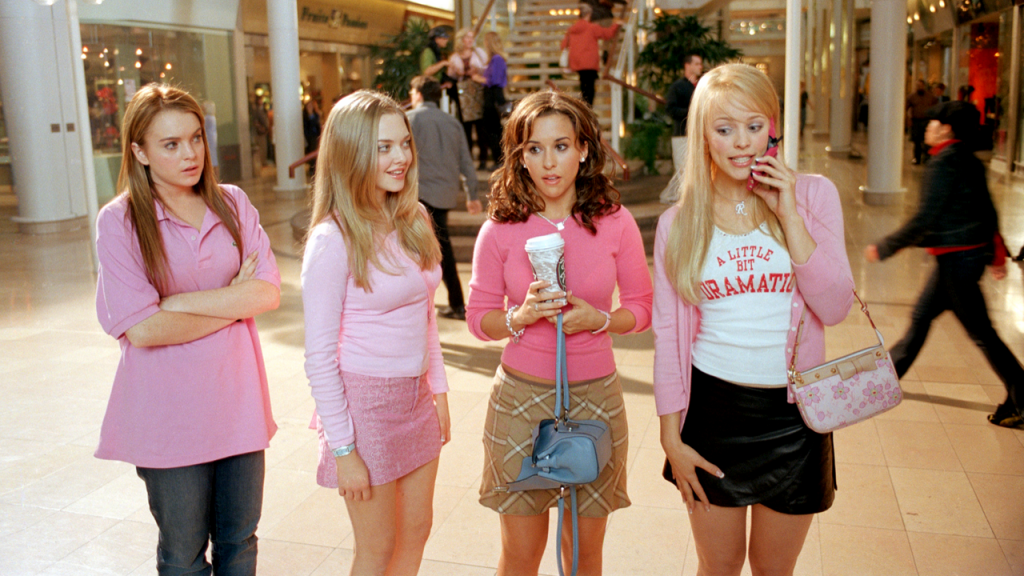
The new year is riveting with empowerment and self worth as people across the globe prepare to take on the new challenges and discoveries of the 2026. Confidence has always been currency. But in a world where virality is more valuable than virtue, we’re seeing a dangerous shift. Gen Z—a generation that came of age on filtered confidence, curated crises, and soft-launched trauma is now navigating the blurry line between Main Character Energy and full-blown Main Character Syndrome. There’s a big difference between knowing your worth and acting like the world owes you a spotlight. What Gen Z celebrates as “main character energy” started as a way to inspire confidence, boost self-image, and encourage people to take the lead in their own lives. But in today’s social media age, that same energy can shift into something more self-absorbed and isolating, what we now call main character syndrome. While self-assurance should be the secret sauce to a well-lived life, it’s increasingly showing up as something else: loneliness dressed in Prada. Detachment disguised as independence. Frenemies wrapped in wellness.
👛 From That Girl to It Girl to… Ick?
We get it! “It Girl” energy is aspirational. She’s stylish, she’s unbothered, she journals by candlelight and takes her vitamins with matcha. But somewhere along the way, It Girl turned elitist. Vulnerability became cringe. Oversharing became currency. And friendships started forming around aesthetics, not accountability. In the Gen Z group chat, *Main Character Energy* isn’t just a vibe—it’s the whole personality. But here’s the plot twist: too much of it, without grounding, mutates into *Main Character Syndrome*. While healthy self-confidence allows for innovation, collaboration, and authentic self-expression, the syndrome flips the script. Instead of using charisma to build connection, it becomes a weapon of exclusion. The confident main character empowers others; the syndrome version performs for applause and sidelines anyone who doesn’t serve their narrative.

👯♀️ Frenemies, Filters & False Narratives
You’ve probably felt it. You finally post that project you’ve been nurturing for months, and the one “friend” you hyped endlessly? Radio silence.
Gen Z reports record-breaking levels of loneliness, despite being the most digitally “connected” generation in history. But connectivity isn’t the same as connection. Many of today’s friendships are built on light commentary, shared playlists, and passive likes. Real accountability? Rare. Long-term empathy? Even rarer. While healthy self-confidence allows for innovation, collaboration, and authentic self-expression, the syndrome flips the script. Instead of using charisma to build connection, it becomes a weapon of exclusion. The confident main character empowers others; the syndrome version performs for applause and sidelines anyone who doesn’t serve their narrative. The real kicker? When these surface-level connections are tested by criticism, conflict, or God forbid boundaries—Main Character Syndrome activates. Suddenly, you’re the villain in someone else’s hero edit. Their delusion takes center stage, and your honesty gets cut in post. When you’ve got main character energy, you’ll encounter this more often than you should. The presence of someone rooted in quiet self-worth is jarring to those who need the world to clap just to feel seen.
It’s not your job to shrink to keep the peace. But it is your job to recognize the difference between applause and alignment.

🪞 Confidence vs Control vs Performance
Main Character Energy is essential. It’s the confidence to innovate, speak up, and style your life without asking for approval. But when self-trust becomes superiority, and affirmation turns into avoidance, what we’re really seeing isn’t confidence, it’s control. That control is often used to skew narratives: – Critique becomes “hate” – Boundaries become “jealousy” – Self-protection becomes “bad vibes” In this distorted lens, people with actual talent shrink, while the loudest person in the room gains applause without receipts. This is how the digital world enables Main Character Syndrome to hide in plain sight—under the guise of empowerment.
💫 Main Character Energy Looks Like:
- Saying “I’m proud of myself” without downplaying others.
- Being the first to celebrate your friend’s win, even if it’s a win you wanted.
- Accepting feedback without folding or deflecting.
- Sharing your process, not just your perfection.
- Using your platform to uplift people with less visibility.
- Setting boundaries without needing a villain.
- Leading with purpose, not just visibility.
🧨 Main Character Syndrome Looks Like:
- Turning every group conversation into a monologue.
- Pretending to support someone publicly, while privately competing with them.
- Weaponizing spiritual language (“protecting my peace”) to avoid accountability.
- Withholding likes, comments, or support unless you’re center stage.
- Reading genuine feedback as an attack and gaslighting the person offering it.
- Replicating someone’s work or voice, then getting defensive when called out.
- Needing to “win” every dynamic instead of fostering mutual growth.
🧠 So What Are You Really Channeling?
Main Character Energy makes room for others. On the other hand, Main Character Syndrome sucks the air out of the room. Impostor Syndrome hides in the back, hoping to be invited forward. This isn’t just a quirky TikTok trope. According to recent insights from the Loneliness in America 2025 report, over 57% of U.S. adults report feeling lonely—especially Gen Z and Millennials, despite being the most digitally connected generations. With hyper-curated feeds and “it-girl” aesthetics, social media reinforces a culture where closeness feels performative, and authenticity becomes the casualty. studies show the quality and quantity of friendships are decreasing in modern society, often called the “Friendship Recession,” marked by fewer close friends, less time spent together, increased loneliness, and a shift from deep connections due to technology, time pressures, and mobility, according to sources like the Harvard’s Happiness Research & Evaluation Lab and the Survey Center on American Life. “The data paints a stark picture. According to the American Perspectives Survey, the percentage of U.S. adults who report having no close friends has quadrupled to 12% since 1990, while the percentage of those with ten or more close friends has fallen by nearly threefold.” (Bruckmann) The question isn’t do you have main character energy? It’s how you wield it; do you cultivate connection, or control? Are you innovating, or impersonating?
Stay tuned for our quiz to let you know if you align with the main character energy, main character syndrome, or imposter syndrome. For more information about main character and imposter syndrome you can read the full article here.
✨ Stay Connected with Finessed
📸 Follow us on Instagram @finessednyc
🎥 Follow us on TikTok @finessednyc
👍 Follow us on Facebook FinessedNYC